

Hello everyone! This is Nami from Los Angeles.
Today, I’m going to share a detailed guide on how to find a shared room or apartment in the U.S.
This article is a bit long, but I’ll walk you through everything—from what to prepare before your search, useful websites, what to watch out for, and how to avoid scams. I hope it helps you navigate the process smoothly!
What to Prepare Before Starting Your Search
Living in an unfamiliar country can be more stressful than you might expect. That’s why it’s so important to find a place where you can truly relax.
When choosing an area, consider your commute to work or school and try to select a location that minimizes travel time. Tools like Google Maps are great for simulating transportation routes and estimating commute times realistically.
Also, make sure essential amenities such as supermarkets, public transport, hospitals, and gyms are conveniently located nearby.
Safety is another crucial factor. Use websites like Crime Mapping or NeighborhoodScout to check the crime rate in the area. Since you might return home late at night sometimes, it’s best to choose a safer neighborhood.
Useful Websites for Finding Housing
Here are several platforms I recommend for house hunting:
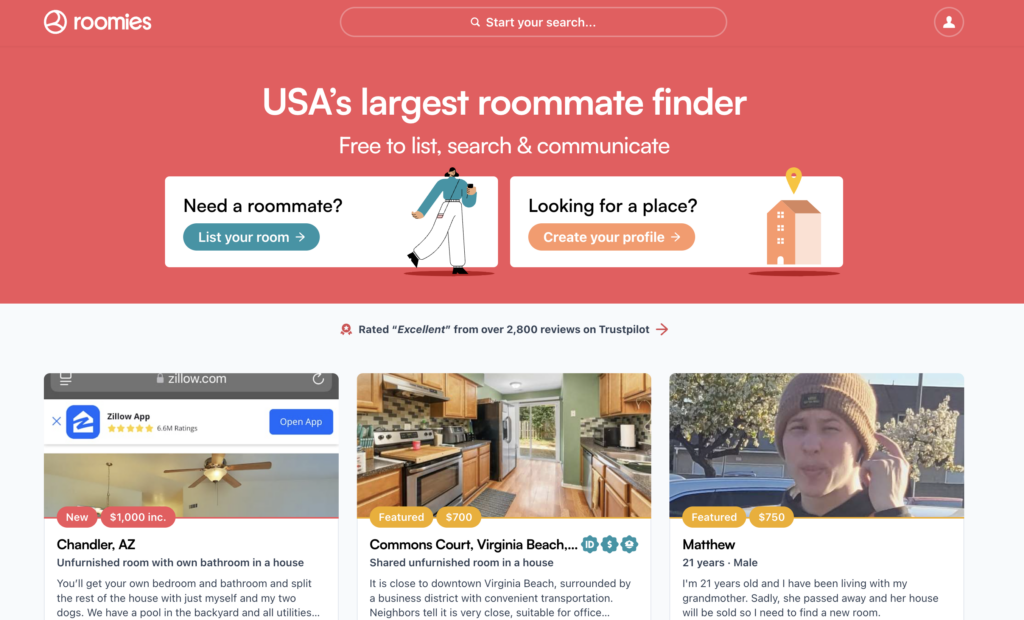
1. Roomies
You can search for both roommates and shared houses here. It has detailed filtering options, making it easier to find your ideal place. You can also verify whether the landlord’s ID and phone number are confirmed, which adds a layer of security. I found my first home in the U.S. through this site.
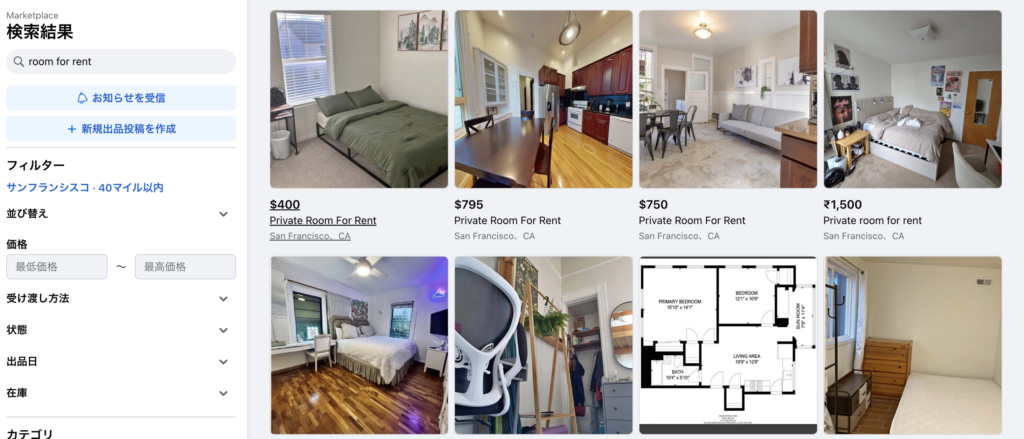
2. Facebook Marketplace
Aside from housing, you can find secondhand items like furniture, books, and electronics. It offers listings by region, and you can check the owner’s profile, photos, and reviews for credibility. Just be cautious—sometimes listings show up from farther areas even after setting your location. My current home was found here.
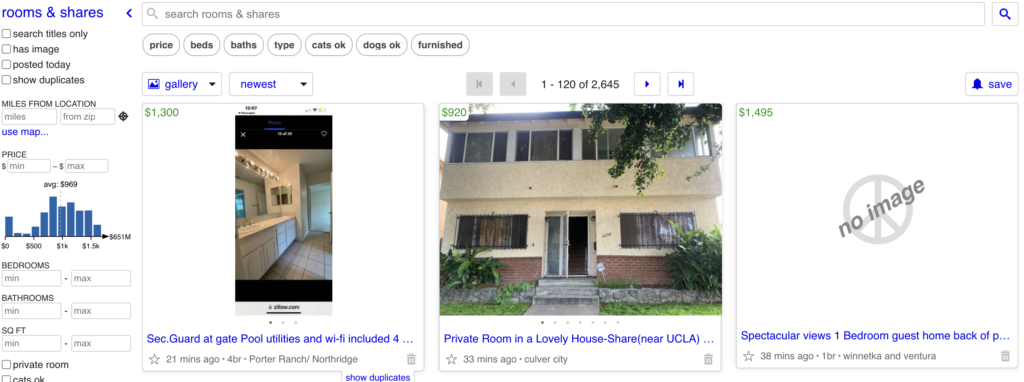
3. Craigslist
One of the most widely used sites in the U.S. It features a large number of listings, including many affordable options. However, it’s known for being rife with scams, so proceed carefully.
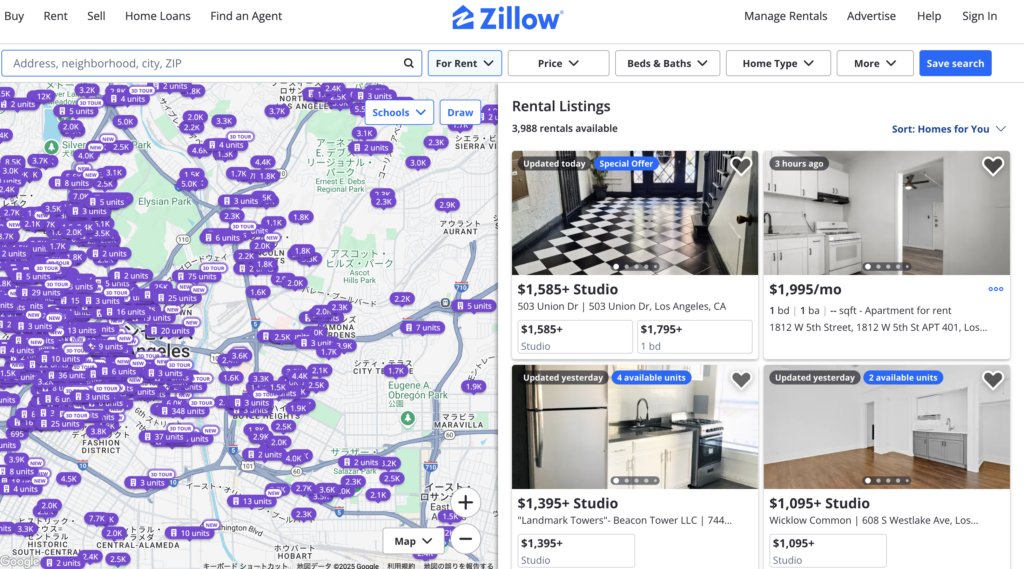
4. Zillow
A great option if you’re looking to rent an entire apartment or house, especially if you already have housemates in mind. Though the site focuses more on full rentals, it also offers some shared options.
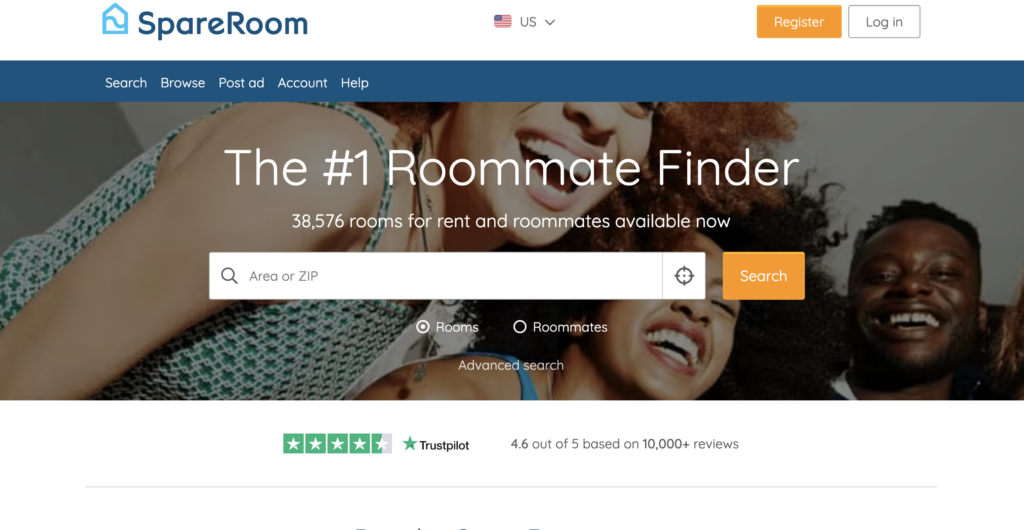
5. SpareRoom
Best for those looking in major metro areas. It lets you search with detailed filters, helping you find housing that fits your lifestyle and preferences.
Key Points to Check When House Hunting
When reviewing listings, here are some essential things to verify:
- Are utilities included in the rent?
- Is Wi-Fi provided?
- Is the unit furnished or unfurnished?
- What’s the minimum lease term?
- Who will you be living with?
- Is the bathroom private or shared? (If your budget allows, go private.)
- Are guests allowed?
- Is there parking available (if you drive)?
It’s also crucial to ensure your potential roommates’ lifestyle and habits align with yours. Morning person vs. night owl, gender balance, occupation, etc. For example, I don’t recommend women living with only male roommates (or vice versa) unless you’re sure it’s safe.
Ask whether the kitchen, refrigerator, and appliances are shared or individual-use. Also check if there are any house rules like designated quiet hours.
Viewing the Property
If you find a listing you like, reach out to the landlord via the site. Not everyone will respond—my response rate was about 30–40%, so don’t hesitate to contact multiple listings.
Once the landlord replies, set up a viewing as soon as possible—waiting a week may cause you to miss out on the place.
During the viewing, double-check the listing details, confirm rules, shared spaces, and the availability of storage or kitchen space. See what’s shared and what’s private. If possible, walk around the neighborhood to get a feel for safety, access to grocery stores, and commute routes.
From Viewing to Move-In
Once you’ve found a place you like, here’s the general process:
1. Credit Score and Background Check
You may be asked for your credit score, which is a numerical indicator of your financial trustworthiness. If you’ve just moved to the U.S. and don’t have one, explain your situation. Some landlords may accept a letter of employment or a bank statement instead.
Background checks are standard and are done to ensure the tenant has no criminal record. You’ll likely pass without any issues.
There may also be an application fee (typically a few dozen dollars) to cover these checks.
2. Signing the Lease
You’ll either receive the lease by email or sign it in person. It’s best to review the lease via email, so you have time to read through it carefully.
In California, tenant rights are well-protected, but once you sign a lease, that becomes the binding document. Don’t sign anything you don’t fully understand—ask questions or have someone review it if necessary (even an AI can help!).
If the landlord says no lease is necessary, it may be a red flag—unless you have full trust in them, it’s safer to walk away.
3. Paying the Deposit
You’ll need to pay a security deposit before moving in. Common payment methods include check, Venmo, Zelle, or bank transfer. Avoid paying in cash unless it’s clearly documented in the lease.
Always label your payment as a “security deposit” to keep a record.
4. Moving In
After the deposit is paid, it’s time to move in! Coordinate with your landlord to get the keys.
Upon arrival, take photos or videos of your room and bathroom—especially any damage or dirt that was there before. Do this before unpacking to avoid issues when moving out.
Then settle in, greet your roommates, and go on a shopping run for any essentials you need.
Watch Out for Scams!
Housing scams are unfortunately common. Be on the lookout for:
- Listings with overly professional or unrealistic photos
- Rent that’s significantly lower than the market average
- Landlords asking for your phone number immediately without providing details
If anything feels off, trust your gut and back out.
Final Tips
💰 A good rule of thumb is to keep your rent at or below one-third of your income. For J-1 visa holders earning around $3,000/month, aim for rent around $1,000–$1,200. If you must pay more, balance your budget by cutting other expenses.
🏠 Also, if possible, avoid living with your landlord. From personal experience, it’s uncomfortable. I always felt a bit uneasy using shared spaces when the landlord was around. Many others say the same. Living with roommates as equals creates a more comfortable environment.
That’s all for today’s post on finding housing in the U.S.! In the next article, I’ll share tips on how to handle issues once you’ve moved in.
See you next time!